Minor Inkrements

Posted in Blog, Mental Health, Personal, Reflections, Writing

Inkrement #16 – Simply the Best

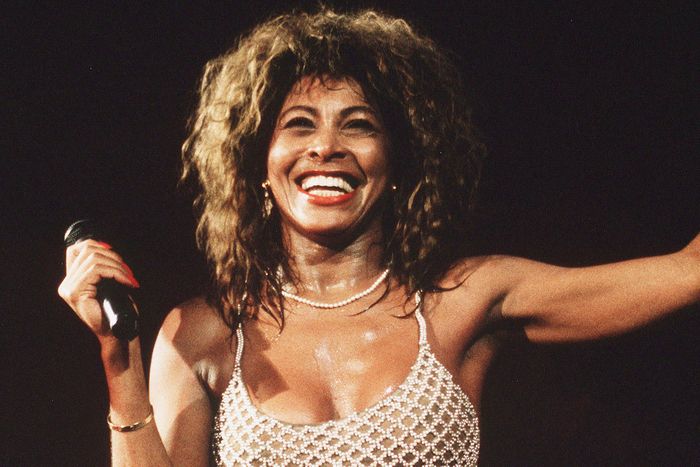
The recent news of the passing of the legendary Rock & Roll icon, Tina Turner, at the age of 83 has deeply impacted music lovers across the world. As someone who has been influenced by her incredible talent and resilience throughout my life, I felt compelled to reflect on her remarkable journey. From the haunting melody of “What’s Love Got To Do With It?” that played in the background of my childhood to the powerful anthem “I Don’t Wanna Fight” that still resonates with me today, Tina Turner’s music has always been a constant presence.

Tina Turner was more than just an iconic singer and performer; she was a force to be reckoned with. Her ability to turn personal pain into something transcendent showcased her resilience and indomitable spirit. Despite enduring unspeakable challenges throughout her life, she refused to let her pain define her. Instead, she harnessed her anguish as a catalyst for personal transformation, inspiring millions around the world.

Tina Turner’s early memories of picking cotton as a child, coupled with feelings of abandonment and being unloved by her parents, painted a difficult picture of her formative years. Surviving a volatile and abusive relationship added to her burdens. Yet, throughout it all, Tina Turner’s resilience and determination to overcome prevailed. Her journey from these painful beginnings to becoming a middle-aged black woman who made her mark as the Queen of Rock & Roll is a testament to the human spirit’s capacity to rise above adversity.

One of the most inspiring aspects of Tina’s story for me is the love and fulfillment she found later in life. After facing numerous challenges and triumphing over personal struggles, she discovered peace and genuine love with someone who adored her unconditionally. This profound love story brought immeasurable joy and contentment to her life, proving that true greatness and contentment can be achieved at any stage. Tina Turner’s experience challenges the belief that success and happiness must be attained within certain age limits or predetermined timelines. Her story encourages us to embrace the unexpected turns and twists that life presents. It’s okay if we haven’t achieved our dreams or found our purpose by a certain age. The path to self-discovery and fulfillment can be nonlinear, and each stage of life offers unique opportunities for growth and transformation. Tina’s life exemplifies the importance of perseverance, resilience, and remaining open to new possibilities.

Tina’s ability to turn her pain into something magical and beautiful continues to inspire many, including myself. It’s with this inspiration in mind that I started this blog. In time, I want to be able to provide solace, tools, and hope to those facing trauma. Tina’s legacy serves as a reminder of the need for diverse voices and stories of triumph over hardship. Together, we can build a resilient community founded on mutual support, where people can find strength and renewed hope as they navigate their own transformative journeys.

The world has lost an icon in Tina Turner, but her legacy will forever resonate through her music, her story, and the transformative power of her journey. As we remember her, let us carry her spirit of resilience, transformation, and unwavering pursuit of happiness with us. By embracing our own pain and using it as a catalyst for personal growth, we too can turn our lives into something magical and beautiful.

Rest in Power, Queen ❤

Posted in Blog, Creative Writing, Mental Health, Reflections, Writing, Writing Prompts

Inkrement #15 – Unplugging for Mental Wellness: My Digital Detox Journey to Self-Compassion

Writing prompt: Describe a self-care ritual that helps you combat self-criticism and fosters self-compassion. Write a step-by-step guide on how to engage in this ritual, highlighting its benefits for emotional well-being.
———————–

Today, I want to share a self-care ritual that helps me out when I feel my inner-critic starting to get the best of me. Picture this: a break from Instagram, Twitter, TikTok, and all other social media. An opportunity to rediscover yourself, and an opportunity to prioritize your mental well-being. For this entry, I’ll let you know the steps of my own digital detox journey, sharing the tips and lessons I learned along the way.

Step 1: Understand the Benefits of a Digital Detox

First things first, let’s clarify what a digital detox is all about. It’s a conscious decision to disconnect from the digital realm, particularly social media platforms, for a specified period. It’s a chance to step away from the constant comparison, pressure, and noise of the online world. But why is it needed for our mental health? Constant exposure to social media can trigger self-criticism, feelings of inadequacy, and a distorted sense of reality. Stepping away allows us to take back our time, regain a sense of balance, and care for ourselves.

Step 2: Acknowledge the Need for Change

For me, the journey started with admitting the toll social media was taking on my mental health. I noticed the inner-critic growing louder, comparing my life to picture-perfect posts of my friends, wondering where I went wrong in my life, and questioning my own worth. It was time for change—a time to prioritize my well-being, to listen to my intuition, and to find a healthier way to engage with the digital world.

Step 3: Set Clear Intentions

Before hastily deactivating all your accounts, take a moment to set clear intentions. Reflect on what you hope to gain from this experience. Is it a desire to cultivate self-compassion, regain a lease on life, or reconnect with your hobbies? Set your goals and keep them in mind as you get started.

Step 4: Decide Your Detox Timeframe

Figure out how long you want to step away from social media. It could be a few days, a week, or even longer. Trust your instincts and choose a timeframe that feels right for you. Keep in mind that this is your path, and there is no need to follow strict guidelines. Give yourself the liberty to experiment and figure out what works best for you.

Step 5: Communicate Your Detox

Let your loved ones and close friends know about your digital detox plans. Communicate your intentions, explain the purpose behind it, and ask for their support. Letting them know will reduce any feelings of guilt or FOMO (fear of missing out) and immerse yourself without distractions.

Step 6: Prepare for Temptations

Prepare yourself for potential temptations during your digital detox. Delete social media apps from your phone or mute notifications. Create a physical barrier between yourself and your devices, like keeping them in a different room or using a designated drawer. Creating boundaries will help you resist mindlessly scrolling and keep your detox on track.

Step 7: Explore Life Outside of the Screen

Step away from the screen and enjoy real-world experiences.. Reconnect with hobbies that ignite your passion and joy. Rediscover activities you’ve neglected or explore new ones that pique your interest. Dive into books, create art, practice mindfulness, engage in nature, cook new recipes, or go on a physical adventure. The options are endless! Allow yourself to be fully present in these real life moments. Enjoy connecting with yourself and the world.

Step 8: Practice Mindful Awareness

During your digital detox, take time to practice mindfulness. Tune into your thoughts and emotions, observing them without judgment. Notice the moments when self-criticism arises and shift your focus to self-compassion. Try different techniques like deep breathing exercises, meditation, or journaling to nurture that feeling of serenity and contemplation.

Step 9: Cultivate Self-Compassion

As you detach from the digital world, take this opportunity to practice being kinder to yourself. Embrace the imperfections and celebrate your unique journey. Challenge your inner-critic with kind and encouraging pep-talks. Remind yourself that your worth extends far beyond the curated world of social media. Embrace self-acceptance, celebrate your accomplishments (big and small), and foster a loving relationship with yourself.

Step 10: Reflect and Integrate

When your digital detox comes to an end, take time to reflect on the experience. Journal about the insights, emotions, and any transformations you’ve encountered along the way. Celebrate your growth and self-love. Acknowledge the lessons learned and consider how you can integrate the positive aspects of your detox into your everyday life moving forward.

By consciously unplugging from the digital world, you can take a significant step toward combating self-criticism and nurturing self-compassion. Through this particular self-care ritual, I learned the importance of signing off to reconnect with myself, finding joy in offline hobbies, and being present in the moment. This is something I try to do at least one weekend a month. Setting boundaries, taking care of ourselves and staying mindful can truly make a difference in one’s mental well-being and to foster self-compassion.
————————–

I chose this prompt for several reasons. My therapist has been drilling in my head that I need to practice more self-care and give myself more grace when it comes to life events. This prompt encouraged me to ritualize a way to take care of myself and my overthinking tendencies. Writing out all the steps encouraged my self-awareness and mindfulness. Explaining the “how” and “why” of taking social media breaks helped me comprehend their long-term benefits. I also hope that this gives someone an idea for how they can handle things when the self doubts and criticism start becoming too much.

Posted in Blog, Creative Writing, Personal

Inkrement #14

Dealing with the Emotional Aftermath of Betrayal

I never thought I would find myself in this situation. The shock of discovering that someone I deeply trusted and cared about wasn’t the person I thought they were has left me reeling. The pain and confusion I’m experiencing are indescribable. The feelings of hurt, betrayal, and rage are all-consuming, and I know that I have a long road ahead of me to heal and move forward. One of these days, I’ll tell the full story. But for now, I want to talk about how I’m dealing with the emotional aftermath.

The moment I uncovered the truth, a whirlwind of emotions consumed me. Anger. Heartbreak. Disbelief. Initially, I questioned my own judgment and blamed myself for not seeing the signs. It’s crucial to acknowledge and validate these emotions. As much as it sucks and no matter how much I want to bury them, I am giving myself permission to cry, scream, and feel the full weight of what I’m going through. It’s all part of the healing process. My therapist keeps reminding me to give myself grace and that it is okay to express these very valid feelings. Trying to deny and ignore them will only make me feel shittier and prolong my healing journey.

Creating a healing and supportive environment has for myself has also been vital for my journey. I’ve found solace in a quiet corner of my home, surrounded by things that bring me comfort. Lo-fi music playing in the background and the smell of lavender from my diffusers have helped create a soothing atmosphere. Taking deep breaths and practicing mindfulness have also allowed me to find moments of peace among the chaos.

Creative writing became my refuge—an avenue for expressing the inexpressible and exploring the depths of my emotions. Here are a couple of writing prompts that helped me navigate my healing journey:

  1. Creating a fictional story or poem that symbolizes the process of letting go and finding inner peace. Metaphor and imagery have allowed me to delve deeper into my emotions and explore the healing journey in a profound way.
  2. Describing a metaphorical journey where I release the weight of betrayal and rediscover my own strength. Through this exercise, I visualize myself moving forward, growing, and finding empowerment.

As I revisited my writings, I started to notice a pattern. Themes of resilience, personal growth, and a spirit that refuses to give into despair. It became clear that despite the pain, I had the power to define my own narrative and reclaim my sense of self. Writing provided a space for reflection and self-exploration, allowing me to make sense of the chaos and find glimmers of hope.

As I navigate this healing journey, I realized several strategies that have empowered me:

  1. Practicing self-care and self-compassion: I’m learning to be gentle with myself, honoring my needs, and prioritizing self-care. This includes making time for activities that bring me joy, seeking support from loved ones, and being patient with my healing process.
  2. Setting boundaries: Establishing healthy boundaries has been crucial for protecting my emotional well-being. This means eliminating contact with the person who betrayed me and creating space for my own healing.
  3. Seeking support: I’ve realized the importance of seeking support from trusted friends and professionals. Sharing my pain and experiences with empathetic listeners has provided validation and a sense of solidarity.
  4. Embracing personal growth: This experience has become an opportunity for personal growth. I’m reflecting on the lessons learned and using them to cultivate greater resilience, self-awareness, and compassion for myself and others.

Despite the shock of the betrayal, it is not the end of my story. With writing as my outlet, some thoughtful introspection, and self-care, I’m gradually regaining my power and accepting the healing process as part of my journey forward. There are going to be highs and lows. Good days and bad days. But I’m determined to find happiness and fulfillment. My progress on the road to healing continues.

Posted in Blog, Reflections, Therapy

Inkrement #13

How therapy is helping me to practice self-compassion

I’ve always been a hard-on-myself kind of person. I’m my own worst critic, and I’m always striving to be better, do better, and be more. This can be a good thing or a very a bad thing. On the one hand, it motivates me to achieve my goals. On the other, it can lead to feelings of inadequacy, self-doubt, and perfectionism.

I started therapy a few years ago and went through it for about a year. Then again, when I found a new therapist two months ago. It’s been one of the best decisions I’ve ever made. My therapist is helping me to find the root of my self-critical tendencies, and she’s teaching me how to practice self-compassion.

Self-compassion is the ability to be kind and understanding towards ourselves, even and especially when we make mistakes. It’s about accepting ourselves for who we are. It’s about offering ourselves the same grace and understanding that we would offer a friend.

This has honestly been a game-changer for me. It’s helping me get a handle on my anxiety and depression, and it’s gradually helping me to improve my self-esteem. I’m working on being more patient with myself and not to beat myself up when I make mistakes.

If you struggle with self-criticism, I encourage you to consider therapy. It can be a powerful tool for healing and transformation.

Here are some of the things I’m learning about self-compassion in therapy:

  • Being self-compassionate does not equate to being selfish or self-indulgent; it simply means giving ourselves the same kindness and understanding we would show a friend.
  • Self-compassion isn’t about turning a blind eye to our pain or trying to bury our suffering. It’s about accepting it, embracing it, and providing ourselves with the solace and comfort we need.
  • Self-compassion is not about being perfect. It’s about accepting ourselves for who we are, flaws and all.

Here are some tips for practicing self-compassion. I know that I struggle with these and it’s easier said than done, but making the attempt is what counts:

  • Be kind to yourself. Talk to yourself the way you would talk to a friend.
  • Forgive yourself. Everyone makes mistakes. Don’t dwell on them. Learn from them and move on.
  • Be patient with yourself. Change takes time. Don’t expect to be perfect overnight.
  • Be grateful for yourself. Appreciate your strengths and accomplishments.
  • Take care of yourself. Eat healthy foods, get enough sleep, and exercise regularly.

Practicing self-compassion is a journey, not a destination. It takes time and effort, but it’s worth it. When we show ourselves mercy, we are better able to cope with stress, anxiety, and depression. We are also more likely to be happy and fulfilled in our lives.

Posted in Blog, Creative Writing, Personal, Reflections, Writing Prompts

Inkrement #12

Writing Prompt: Write a letter to your younger self, acknowledging the ways you were criticized and the impact it had on you.

———————————-

To my younger self,

I’m writing this letter to you today to acknowledge the criticism that you endured and the impact it had on you. I know that the most insults and judgments thrown at you came from our mother. She would always pick apart your clothing with claims that you looked like a slut, your hair with claims that it looked unkempt, your friends with claims that they’re worthless, and your hobbies with claims that they’re childish. She tore down anything that brought you an iota of joy. And I know that it’s taken a toll on your self-esteem. I know it made you unsure of what you were supposed to enjoy or do with your life.

But I want you to know that her words are not a reflection of who you are or your worth as a person. I want you to know that it’s not your fault. You are not responsible for our mother’s insecurities or her need to control you. You are your own person. You deserve to be happy and pursue the things that put a smile on your face. You are unique and special, and your individuality is what makes you stand out. Don’t let anyone dim your light or make you feel worthless. Not even your family. You are capable of achieving greatness and I can’t wait to see all that you’ll accomplish in the years to come.

I know that you’re struggling right now. Life seems hopeless and unfair. But believe me when I say that things will get better. You will find your place in the world, and you will find people who love and support you for who you are. It’s okay to make mistakes. They’re a natural part of life and they’re what help us grow and learn. Please don’t be so hard on yourself when things don’t go as planned. Those experiences can be opportunities to learn and improve.

It’s imperative to remember that you are not defined by anyone else’s opinions or expectations. You were not born to be your mother’s minion. You have the power to create your path and define your success. Pursue your passions, no matter how big or small they may seem. You’ll be amazed at the things you can achieve when you believe in yourself.

In the years to come, you’ll see that there is no specific way to live life. Everyone’s journey is different, and what works for someone else may not work for you. Embrace your journey and trust the process. Remember that life is a marathon, not a sprint, and it’s okay to take your time to figure out what you want.

Writing this letter to you has made me realize how far I’ve come. It’s a reminder that despite the hardships, I’ve been able to overcome and achieve great things. I’m proud of the person I’ve become, and I’m proud of the person you will become.

So, to my beautiful, quirky, amazing younger self, keep your head up and keep pushing forward. You are capable of great things. I love you and I believe in you.

Signed,

Your future self

——————————-

I chose this prompt because it allowed me to reflect on my childhood and acknowledge the impact it had on me as an adult. It also allowed me to give advice and encouragement to my younger self, to say things I wish I heard more of as a young girl. Writing this letter helped me recognize the progress I’ve made, celebrate how far I’ve come, and realize how much work I still have to do.

Posted in Creative Writing, Writing Prompts

Inkrement #11

Short story prompt: Write a story about a character who has to confront their traumatic past when they unexpectedly come face to face with their abuser.

Trigger warning: Brief mentions of abuse, trauma, and emotional distress

————————————-

The sun was a giant, crimson orb in the sky, and the air was thick with the scent of freshly-cut grass. The young woman walked down the dusty road, her feet crunching on the gravel, her heart pounding in her chest. She had not been back to this place in years, and the memories that flooded her mind threatened to overwhelm her.

As she turned the corner, she saw him, standing in front of the old, dilapidated house. He was older now, his face lined with wrinkles, but his eyes were the same – cold, empty, and filled with malice. She stopped dead in her tracks, her breath catching in her throat. The memories of the past rushed back with a vengeance.

He was her stepfather, a cruel and abusive man who had made her childhood a living hell. He had beaten her, starved her, and locked her in a dark closet for hours on end. She had thought he was gone from her life forever, but now he was here, standing right in front of her.

He turned to look at her, and their eyes met. For a moment, neither of them moved, the silence broken only by the sound of their breathing. Then he took a step forward, his hand outstretched.

“I never thought I’d see you here again,” he said, his voice smooth and oily. “It’s been a long time.”

She recoiled from his touch, feeling the old fear and anger welling up inside of her. She wanted to lash out at him, to hurt him as he had hurt her, but she knew that she had to be strong. She had to confront her past.

“I didn’t think you’d be here,” she said, her voice barely above a whisper.

“But I am glad to see you,” he said. “I wanted to apologize for what I did to you. I know I was a terrible father to you, and I’m so sorry.”

She stared at him, her mind reeling. She had always dreamed of this moment, of confronting him, of making him pay for what he had done to her. But now that it was here, she was filled with doubt and uncertainty.

“A terrible father would be an upgrade for what you are,” she said, her voice shaking. “You treated me worse than a dog on the street and you should be rotting under the prison right now for it.”

“I know that,” he said, his eyes filled with tears. “But I want to try. I want to make amends for what I did. I want to be a better man.”

She looked at him, searching his face for any sign of sincerity. She saw none.

“You can’t be a better man,” she said. “You can’t change what you are.”

He reached out to touch her again, but she stepped back, shaking her head.

“To hell with your apologies,” she said. “I want absolutely nothing from you.”

He hung his head, his eyes filling with tears.

“I understand,” he said softly. “I just wanted you to know that I’m sorry.”

She turned to leave, feeling a weight lifting from her shoulders. She had faced her past, and although the memories would always haunt her, she knew that she could finally move on.

As she walked away, she heard his voice calling out to her, begging her to stay, to forgive him. But she kept walking, her eyes fixed on the horizon, her heart filled with a sense of hope and possibility. She knew that she had survived, that she had overcome the worst that life could throw at her, and that nothing could ever take that away from her.


I chose this particular prompt because confronting an abuser or someone who has caused you great pain can be cathartic. By imagining a character who is able to call out this person and find a sense of closure, the writer can explore their own feelings of anger, fear, and sadness in a safe and creative way. Writing about they went through can give you a sense of control over what happened, which is often lost in cases of abuse and other situations where you felt powerless. I believe it can also validate and empower, showing people that their experiences are shared and it is eventually possible to move forward.

Posted in Blog, Journaling, Personal, Reflections, Writing Prompts

Inkrement #10

Journal Prompt of the Day:
Imagine a future where you have fully healed from your trauma. What does that look like?

Imagine a future where you have fully healed from your trauma. What does that look like? For me, it’s a bright and hopeful vision that I’ve held onto for years, even when I thought healing was impossible.

Growing up with an emotionally, verbally, and sometimes physically abusive mother, I didn’t know what a healthy relationship looked like. It wasn’t until I left home, experienced shitty situationships and found myself in bad predicaments that I realized how deeply my trauma had affected me. Even then, I knew it would be a long and difficult journey to healing.

But in this future that I imagine, I am finally free. I am free from the crippling anxiety that has plagued me for years, free from the fear that has held me back in relationships and work, and free from the emotional scars that have haunted me since childhood.

In this future, I wake up feeling rested and energized. The regrets, the should’ves, the could’ves, and the would’ves no longer keep me up at all hours of the night. I no longer carry the weight of the past on my shoulders, and I am able to approach each day with a renewed sense of hope and purpose. My relationships with family and friends are strong and meaningful, and I am able to trust and love freely. I’m not afraid to express my needs and wants, and I know that my friends will listen without judgment. I’m also in a loving, supportive, and healthy romantic relationship. I know that I’m worthy of love and respect, and I no longer settle for less than I deserve.

I am also thriving in my career. I have a job that is fulfilling and challenging, and I am able to use my experiences to help others who may be going through similar struggles. I no longer wake up dreading to clock in and counting the hours until I clock out. My creativity is flowing freely, and I am able to express myself fully through my work and my hobbies.

But I think most importantly, I am at peace with myself. I no longer feel like a victim of my past, but instead, I see my trauma as a source of strength. It has given me the resilience and determination to overcome obstacles and to pursue my dreams. I am proud of who I am and what I have achieved, and I am excited about the future.

Of course, healing is not an overnight process, and setbacks will happen. But in this future that I imagine, I am equipped with the tools and the support to navigate those challenges and triggers. I have a strong sense of self-awareness, and I am able to recognize and address any negative patterns or behaviors that may arise. I’ve also learned how to express my emotions in a healthy way, and I don’t feel like I’m bottling everything up inside.

I know that this future is not guaranteed, but I also know that it is possible. With continued work and dedication to my healing journey, I believe that I can reach this place of peace and joy. In my fully healed future, I’m not defined by my trauma. It’s a part of my story, but it’s not all of it. I’m able to look back on my experiences with a sense of gratitude and understanding. I know that my experiences has shaped me into the person I am today, and I’m proud of who I am.

As I write about my fully healed future, I’m filled with a sense of hope and optimism. I know that my healing journey won’t be easy, but I also know that it’s possible. I’m committed to doing the work and taking care of myself so that I can create the future that I’ve imagined. I know that I deserve to live a life that’s free from the weight of my past hurts, and I’m excited to see what the future holds.

Take some time to envision your healed future. Put pen to paper, blog your thoughts, or make a vision board – whichever works best for you – and imagine what a recovered version of yourself will look like on your journey.

Posted in Blog, Reflections, Writing

Inkrement #9

Stories and novels have fascinated me for as long as I can remember. As a child, I immersed myself in books, imagining myself in far-off places and fantastic adventures. As an adult, I came to realize that storytelling goes beyond entertainment and can be a powerful resource for healing. In this post, I will explore the power of sharing personal narratives and how it gives us a chance to heal.

Everyone has a story. But we often hesitate to share them due to fear of judgment and shame. I know that’s typically been the case for me. But by sharing our stories, we can gain a better understanding of ourselves and others. It allows us to process our experiences, make sense of our emotions, and find meaning in the events that have shaped us.

We can share our narratives in various ways, like writing them down in a journal or sharing them with friends. We can even perform them in front of an audience. Each approach has its benefits, but they all share a common goal: to help us find healing through the act of storytelling.

One of the most powerful ways to share our narratives is through writing, my preferred method. Writing provides a safe and private space to explore our thoughts and feelings. We can reflect and select the words that best tell our stories. But we have to admit that writing can sometimes be daunting. We may struggle to find the right words or feel overwhelmed by the emotions that arise. This is when journaling can be useful.

Journaling focuses more on free expression than structure. We write whatever comes to mind, with no worries about grammar and punctuation. This way, we can access the intense emotions that exist beneath our experiences without stressing over making it perfect.

Another way to share our stories is through spoken word and performances. Making our experiences known to the public can be empowering. Sharing our stories in front of others can be a transformative experience. It allows us to take ownership of our experiences and to reclaim our power in the face of adversity. Despite society telling you to keep your pain to yourself, this can show that you have nothing to be ashamed of. There could be people in the audience that also relate to what you’ve been through and know that they’re not alone.

The power of sharing our personal narratives lies in the act of connection. By making our stories known, we create a space for empathy, compassion, and understanding. Knowing others share our struggles can help us accept our trauma and find the courage to heal. People have used pain to create art and transformed challenges into victories. I know that’s what I’m trying to do wit the novel I want to eventually publish.

For anyone struggling with difficult emotions or feeling stuck in your healing journey, consider the power of telling your story. Whether you choose to write it, speak it, or perform it…know that your words have the power to heal, connect, and inspire. Your story matters and your voice deserves to be heard.

Posted in Blog, Novel, Personal

Inkrement #8

I’m excited to introduce the themes of the fantasy novel that I’m currently working on. In this novel, I want to explore the possibility of redemption and forgiveness, the power of magic and spirituality, and the strength of love and connection. I talked about the premise in my last blog post.

One of the central themes of my novel is redemption and forgiveness. Two of the main characters, Topaz and Kamari, confront their own prejudices and biases and learn to see each other in a new light. Through this process, they develop a deep understanding and compassion for each other. As humans, we all make mistakes and sometimes those mistakes can have far-reaching consequences. Forgiveness and compassion are essential in healing deep wounds and bridging divides between people. I believe that this message is especially important in today’s world, where we often face polarization and divisiveness. It’s a difficult journey, but one that is ultimately rewarding.

Another theme in my novel is magic and spirituality. I’ve always been fascinated by the idea of magic and how it can be used to bring hope and healing in the face of adversity. As Topaz grapples with the dark magic that has cursed her family for generations, she discovers the power of spirituality and magic in offering hope and healing in the face of trauma and adversity. I believe that the exploration of magic and spirituality can offer readers a sense of wonder and hope, reminding us that there is more to life than what we can see and touch.

Finally, love and connection are essential themes in my novel. At its core, this is a love story, but it’s not just about romantic love. It’s about the connections we make with others and how those connections can help us overcome our fears and find new paths forward. Topaz and Kamari start out as strangers, but over the course of the novel, they develop a deep and meaningful bond that helps them both grow and evolve.

As I continue to work on this novel, I’m excited to explore these themes and more in greater depth. I would love for this to inspire readers to embrace compassion and forgiveness, explore the mysteries of spirituality, and cultivate meaningful connections with others.

Thank you for taking the time to read this post, and I look forward to sharing more updates with you all soon!

Posted in Blog, Novel, Reflections

Inkrement #7

So I figured it’s about time that I share what I have in mind for my novel-in-progress. This story has been bouncing around in my head for a while, and I’m excited to finally put pen to paper (or fingers to keyboard) and bring it to life.

The protagonist of the story is Topaz Cameron, a young woman who has always been focused on her own problems and issues. She has never been interested in anything beyond what she’s dealing with until she reclaims a charm bracelet from her estranged mother. It seems like a simple accessory at first, but turns out to be much more.

As Topaz delves into the history of the bracelet, she discovers that it is not just any piece of jewelry but a key to a dark and dangerous past that threatens to consume her. She realizes that the bracelet is cursed, and that she is the only one who can break the curse and put an end to the danger that threatens her life.

Topaz turns to Kamari Burton, a classmate she initially despises, but who becomes her closest ally. Together, they embark on a journey to break the curse and uncover the truth behind the bracelet. The charms on the bracelet guide them to places linked to the curse’s history, revealing the two lovers caught in its tragedy.

As they get closer to breaking the curse, the stakes grow higher, and the danger increases. The forces of dark magic are arrayed against them, and they must use their wits and the powers of the bracelet to overcome the curse and set things right.

The novel will explore the enduring legacy of generational trauma, the redemptive power of love, and the magic that can be found in unexpected places. I hope to create a world that is both magical and grounded in reality. The idea of breaking a curse feels like something out of a fairy tale, but the characters are dealing with very real issues and emotions. I want readers to feel like they could step into the pages of the book and join Topaz and Kamari on their journey.

One of the things that I’m most excited about with this novel is the character of Topaz. She’s a young woman who’s been through a lot of pain and trauma, but she’s also incredibly resilient and strong. I wanted to create a character who is relatable to readers, but who also has the ability to inspire and empower them.

The character of Kamari is also a highlight of the novel for me. He starts off as someone who Topaz can’t stand, but as they go on their journey together, they develop a deep and meaningful bond. I believe their connection is a prime example of how, sometimes, the people we least expected can have the greatest impact on our lives.

I’m in the very early stages of writing this, but I’m excited about bringing Topaz’s story to life and I’m really looking forward to see where this takes me. It’s starting off as a Young Adult novel, but I believe that it has the potential to touch readers of all ages. I have a general idea of where the plot is headed, but I’m always open to new ideas and twists that might present themselves along the way.

Stay tuned for updates!